Reasons Why Rekeying Your Locks Matters: Expert Tips and Local Services Available!
Rekeying locks is fundamental to enhancing home security. It is especially relevant after significant life events, such as moving or experiencing a breakup. This process renders old keys ineffective, ensuring that unauthorized individuals cannot access your property. Being aware of when and how to rekey your locks can have a major impact on your personal safety. Yet, not all rekeying services are created equal. Taking the proper steps to find the right provider can make a significant difference.
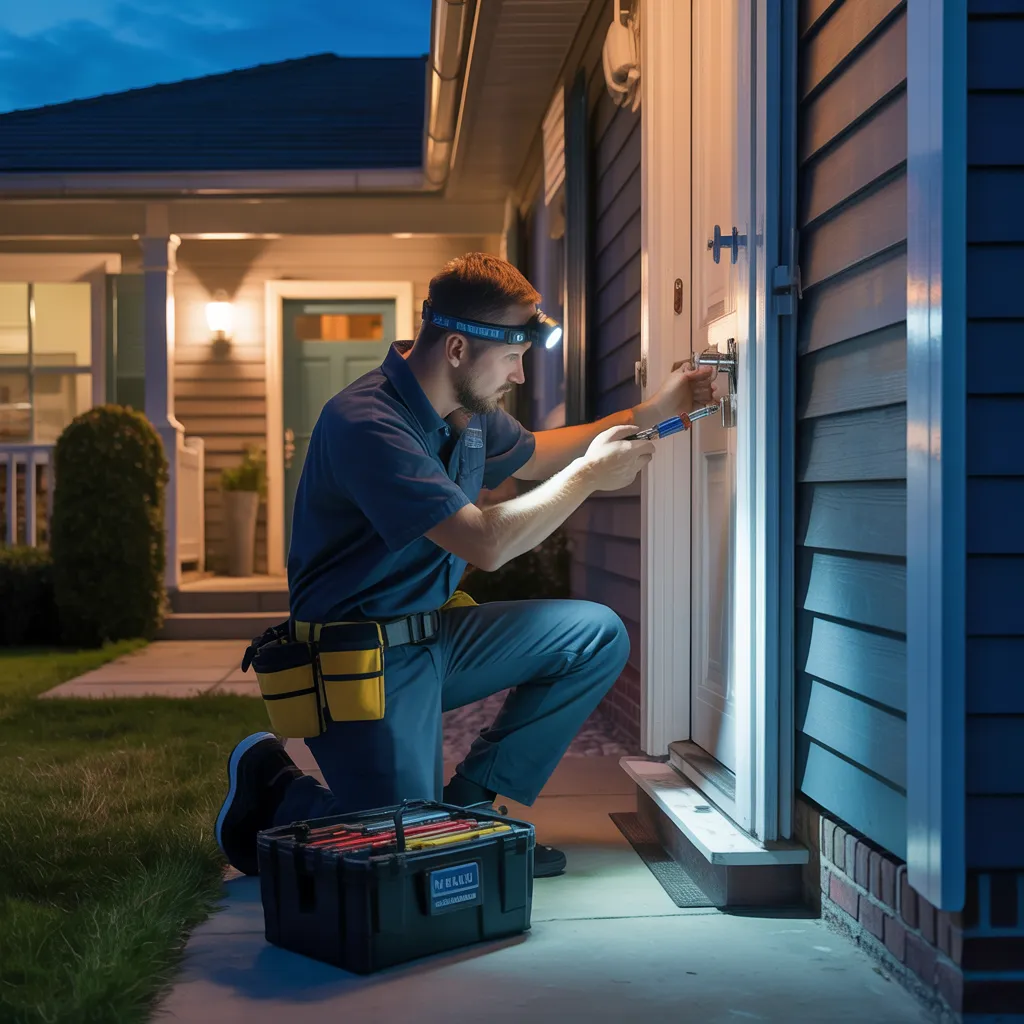
Why Rekeying Is Essential for Your Home's Security
Rekeying is essential for strengthening a home's protection, especially when there are worries about unwanted entry. This procedure entails altering the inner workings of a lock, invalidating existing keys while offering new keys that operate flawlessly. Property owners frequently encounter circumstances where old keys may still be in use, such as after relocating or experiencing a lost key. By rekeying, they ensure that only authorized persons maintain access to their home.
Additionally, rekeying offers a budget-friendly solution instead of replacing complete lock systems. It not only boosts security but also provides peace of mind. Experienced locksmiths can readily handle this task, usually within a single visit. Regular rekeying can be part of a homeowner's safety routine, adapting to changes in living arrangements or security needs. In the end, emphasizing rekeying adds significantly to a home's comprehensive security plan.
The Right Time to Consider Rekeying Your Locks
There are several circumstances in which homeowners should consider rekeying their locks to ensure security. A frequent situation arises when homeowners relocate to a new property; previous occupants may still have access. Similarly, after a divorce or breakup, rekeying can help guarantee that an ex-partner cannot enter the property. Additionally, if a key is lost or stolen, it poses a significant security risk, making rekeying a prudent choice.
In cases of frequent lockouts or if a lock mechanism is showing signs of wear, rekeying can also be beneficial. Residents may find rekeying valuable during scheduled security enhancements, especially if they have recently adopted modern security solutions. Finally, if there are concerns about unauthorized duplication of keys, rekeying provides peace of mind. By addressing these situations promptly, homeowners can improve their overall security measures and ensure their property remains well-protected.
A Simple Breakdown of How Rekeying Works
Changing the internal workings of a lock can greatly boost security without the need for a full replacement. The rekeying process involves modifying the lock's internal pins and springs to produce a new key that works the lock while making the old key obsolete. This process begins by taking apart the lock cylinder, where the existing pins are removed and replaced with new ones of different lengths. Every pin aligns with a particular height on the new key. Once reassembled, the lock can only be opened with the newly cut key. The complete procedure usually demands less time than installing a new lock and is frequently more economical. Furthermore, rekeying enables homeowners to keep their existing locks while enhancing security, most notably after losing a key or transitioning into a new property. This approach offers reassurance without the cost and hassle of a full lock replacement.
How to Pick the Ideal Rekeying Service
Choosing the right rekeying professional can considerably impact the effectiveness and reliability of the security improvement. When evaluating a service, it is important to consider the company's standing. Browsing online testimonials and gathering suggestions from trusted sources can make it easier to locate reliable professionals.
Furthermore, checking the qualifications and expertise of the locksmith is vital. A certified and insured locksmith typically guarantees a superior quality of service. It can also be advantageous to find out about the tools and techniques they use, as advanced approaches can strengthen security.
Transparency in pricing is another important factor; a trustworthy provider will offer straightforward quotes with no concealed charges. Additionally, consider the accessibility of the provider. A professional who accommodates varied schedules can handle pressing needs in a timely manner. By evaluating these criteria, individuals can make an informed decision, securing their rekeying needs are met efficiently and effectively.
What to Expect When Paying for Rekeying
When considering the cost of lock rekeying, people should be informed about the various aspects that impact costs. Such factors can encompass the complexity of the lock mechanism and the service providers in the area accessible. Understanding these elements will assist in making an well-considered decision and setting realistic expectations concerning costs.
Breaking Down Rekeying Costs
Understanding the expenses related to rekeying locks is crucial for property owners who prioritize safety and ease of use. Typically, rekeying services cost between $20 to $50 per lock, varying with the location and service provider. This fee may go higher if multiple locks require service or if complex locking mechanisms are included. Homeowners should also factor in potential travel fees if the locksmith is expected to cover a considerable distance. While certain homeowners may opt for DIY rekeying kits, hiring a professional confirms the job is completed accurately and safely. In the end, relying on professional rekeying services not only strengthens protection but also delivers confidence, making it a valuable investment for any homeowner.
Variables That Impact Pricing
A number of factors impact the cost of lock rekeying, making it important for homeowners to be informed about what to expect. First, the kind of lock plays a significant role; high-security locks often demand expert knowledge and specialized equipment, leading to higher costs. Moreover, the amount of locks to be rekeyed directly affects the total price; rekeying several locks often leads to discounted rates. Labor expenses can fluctuate according to the provider and regional area, with urban areas typically charging more. In addition, if additional services, such as after-hours or urgent rekeying, are needed, these can further increase expenses. Property owners should collect quotes and weigh these aspects to prepare adequately for rekeying services.
Regional Service Selections
Nearby service choices for rekeying locks can greatly vary, providing homeowners with a range of choices tailored to their needs. Several area locksmiths provide on-site services, allowing technicians to come directly to the residence. This benefit commonly encompasses same-day appointments, which may be critical for emergency circumstances. Costs can vary based on the intricacy of the locks and the quantity of keys necessary. Homeowners should expect transparent estimates before work begins, often including a breakdown of labor and materials. It's advisable to check for local reviews and certifications to confirm trustworthiness. Moreover, select supply stores present rekeying services as a substitute, which may be more budget-friendly for those comfortable with DIY projects.

Leading Local Rekeying Services Close to You
Finding reliable rekeying services can greatly enhance home security. Neighborhood locksmiths commonly deliver customized rekeying services that meet a wide range of needs, from residential properties to commercial establishments. It is crucial to take into account customer reviews and ratings to identify trustworthy professionals.
Numerous cities feature locksmiths on call around the clock, providing quick access to lock rekeying solutions in emergencies. Several trusted providers provide mobile services, permitting technicians to respond to the customer's address without delay. Furthermore, nearby hardware retailers may provide rekeying kits for DIY enthusiasts, though professional assistance is recommended for optimal outcomes.
Additionally, community suggestions can help in uncovering lesser-known professionals that may not market themselves extensively. By assessing available choices and searching for qualified locksmith experts, household owners can ensure their rekeying needs are addressed promptly and professionally. Pursuing these actions can bring about enhanced reassurance regarding residential security.
Frequently Asked Questions
Can I Rekey My Own Locks, or Is It Better to Hire a Professional?
Lock rekeying is a task that can be handled by those knowledgeable about the procedure, but enlisting the help of a professional ensures the job is done correctly and securely. Evaluating one's abilities against the possible risks frequently results in improved outcomes when professional help is sought.
How Long Does Rekeying Generally Take?
The rekeying process generally takes about 15 to 30 minutes per lock, depending on the lock's complexity and the expertise of the technician. A professional can guarantee accuracy and efficiency, limiting any potential problems throughout the procedure.
Will Rekeying My Locks Void Any Warranties?
The process of rekeying locks generally full details does not void warranties, as the majority of manufacturers permit this procedure. That said, it is wise to review specific warranty terms or consult with the manufacturer to guarantee compliance and avoid unintentional issues.
What Equipment Do Professionals Use for Rekeying Locks?
Professionals generally employ tools like a rekeying kit, precision screwdrivers, needle-nose pliers, and a plug follower. These tools facilitate disassembling the lock, installing new pins, and verifying proper performance once the rekeying process has been completed.
How Often Should I Consider Rekeying My Locks?
Security specialists suggest changing lock combinations on a regular basis or right away following key loss, moving into a new home, or experiencing a security breach. Routine lock rekeying strengthens protection and guarantees solely permitted persons have access to your property.